

Cell Therapy and Bone Marrow Transplant Program
Neurometabolic Disorders and Bone Marrow Transplantation

Texas Children's Cell Therapy and Bone Marrow Transplant Program is a leading referral center for children with inherited metabolic disorders and leukodystrophies who may benefit from stem cell transplantation, gene therapy, and other advanced cellular therapies.
Many of these conditions can now be identified through newborn screening, often before symptoms may appear. Early diagnosis creates an important opportunity for treatment that may slow or halt disease progression and, for some conditions, provide a potential cure.
Our multidisciplinary team works quickly to evaluate each child and coordinate care across subspecialties, helping families access treatment as soon as possible.
Save the date: Friday February 26, 2027
Pediatric Neurometabolic Disorders Conference
Designed for healthcare providers, this conference will highlight the latest advances in the diagnosis and treatment of rare neurometabolic disorders.
Why Choose Texas Children’s for Metabolic Disorders?
For children with rare metabolic conditions, timing can make all the difference.
Leading Pediatric Transplant Program in the Southwest
Texas Children’s is home to the #1 pediatric transplant program in the Southwestern U.S. Each year, we perform more than 140 bone marrow transplants and cell and gene therapy infusions. Our team is experienced utilizing all donor types, including matched related, matched unrelated, haploidentical (half-matched), and cord blood donors.
One Coordinated Care Team
Our specialized clinic brings together bone marrow transplant physicians, neurologists, geneticists, and metabolic specialists to provide seamless care from diagnosis through recovery. Because many metabolic disorders require treatment within a limited window after diagnosis, our team works together to help children receive care as quickly as possible.
Support for the Whole Family
Navigating a complex diagnosis can feel overwhelming. We provide comprehensive support services, including dedicated transplant coordinators, financial counseling, and social work support. For families traveling for treatment, we can assist with housing, transportation, and care planning.
Access to Advanced Therapies
We offer access to the latest treatment options, including gene therapy and emerging cellular and immunotherapy approaches. Metachromatic leukodystrophy (MLD) is a rapidly evolving area of treatment. Texas Children's is among a select group of U.S. centers offering access to approved gene therapy while continuing to explore new options for patients who may not qualify for currently available treatments.
The Importance of Early Diagnosis
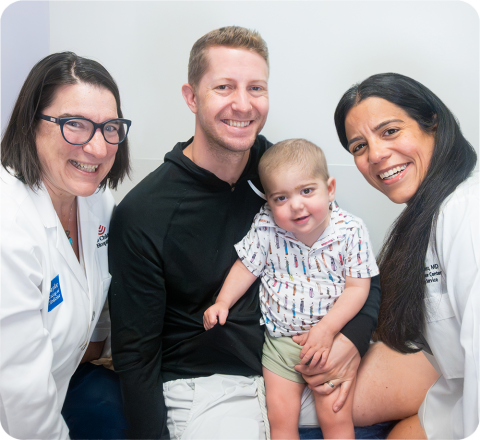
Our mission is simple: identify eligible patients early and connect them with the most appropriate therapy as quickly as possible.
Many inherited metabolic disorders and leukodystrophies may cause little or no symptoms in the early stages, even while the disease is progressing. By identifying affected children before irreversible damage occurs, newborn screening has significantly improved outcomes for conditions such as infantile Krabbe disease, cerebral adrenoleukodystrophy (cALD), and Hurler syndrome (MPS I).
Neurometabolic Disorders We Treat
The program evaluates and treats a broad range of inherited metabolic diseases and leukodystrophies, including:
- Adrenoleukodystrophy (ALD)
- Beta-Glucoronidase Deficiency (VII)
- Gaucher Disease
- Globoid leukodystrophy (Krabbe Disease)
- Glycogen storage diseases
- Hurler Syndrome (MPS I)
- Hunter Disease (MPS II)
- I Cell Disease
- Leukodystrophies
- Metachromatic leukodystrophy (MLD)
- Mucopolysaccharidoses (MPS)
- Neimann-Pick disease
- Osteopetrosis (IMD)
- Sanfilippo (III)
Managing the Most Complex Neurometabolic Conditions Through Multidisciplinary Care
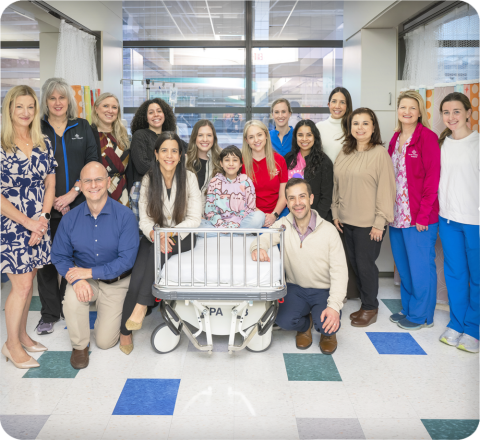
Early diagnosis and referral are critical. Following a comprehensive evaluation, our multidisciplinary team rapidly coordinates treatment planning, donor identification when needed, and transplant preparation.
Treatment options may include stem cell transplantation, cord blood transplantation, gene therapy, and emerging cellular and immunotherapy approaches.
After treatment, patients continue to receive coordinated care from transplant, neurology, genetics, and rehabilitation specialists. Our goal extends beyond successful treatment to supporting long-term neurological function, developmental progress, and quality of life.
Research and Leadership in Neurometabolic Disorder Transplantation
Texas Children’s is a national leader in cord blood transplantation for nonmalignant disorders, helping establish cord blood transplant as a critical option for patients who lack matched donors.
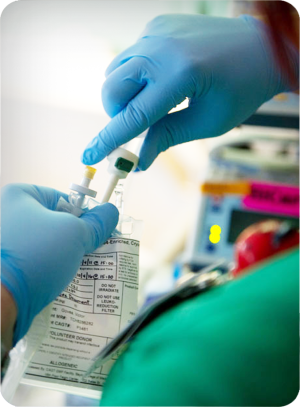
Our leadership includes:
- Cord blood transplantation for inherited metabolic disorders and leukodystrophies, including Krabbe disease, adrenoleukodystrophy, and Hurler syndrome
- Standard of care for many patients without matched donors, particularly children from underrepresented populations
- Landmark outcomes, including a 91% two-year survival rate in a prospective study using cord blood transplantation without serotherapy
(Martinez et al., 2023; Blood Advances PMID: 36453638) - Innovative clinical protocols that replace serotherapy with fludarabine-based conditioning to reduce toxicity, improve immune recovery, and lower rates of graft versus host disease and severe infections
Building on this foundation, the program is actively developing new approaches for children with limited treatment options. Current research efforts include approaches that target neuroinflammation and therapies for patients who may not qualify for currently available gene therapies.
Through close collaboration among transplant physicians, neurologists, geneticists, and metabolic disease specialists, we are helping bring innovative therapies from the laboratory to the clinic, expanding treatment possibilities for children who need them most.
Learn More About the Cell Therapy & BMT Program
Care for neurometabolic disorders is one part of Texas Children’s broader program. To learn more about our complete transplant services, including cellular therapies, gene therapy, and transplantation for other conditions, visit the Cell Therapy and Bone Marrow Transplant Program page.
Explore more

Health Briefs
Jul 31, 2026
Texas Children's Cancer and Hematology Center Hosts Alex's Lemonade Stand Event

For Physicians
Jun 30, 2026
For Physicians
Jun 30, 2026


For Physicians
May 04, 2026