Image



What if we could eliminate Tuberculosis for everyone—everywhere?
Thank you for supporting the Global Tuberculosis program at Texas Children’s Hospital and Baylor College of Medicine. Your gift helps us develop and provide life-saving diagnostics and treatment to improve the lives of individuals affected by TB.
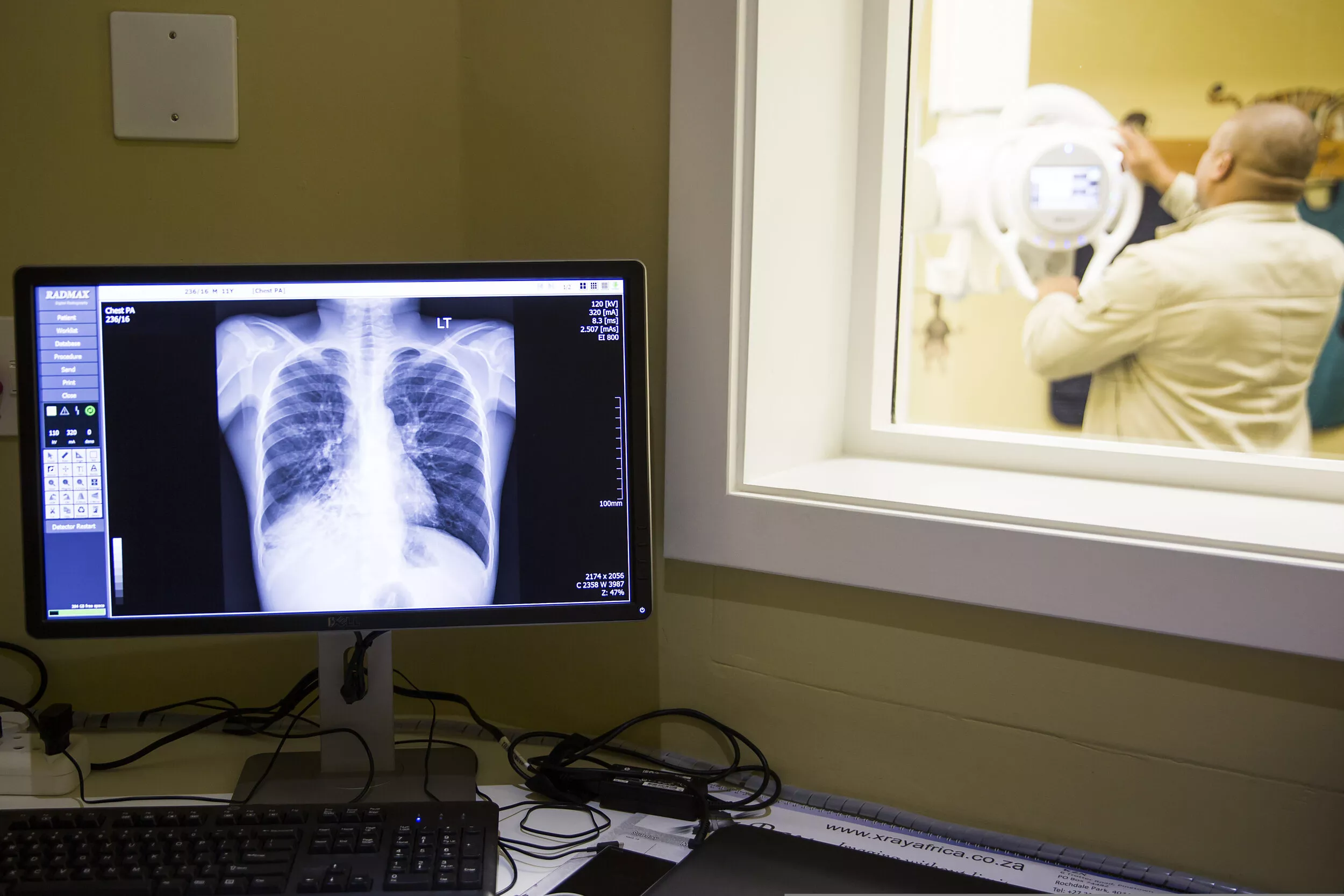
The Texas Children's and Baylor College of Medicine Global TB program's mission is to advance evidence-based programming that effectively prevents, finds, cures, and ultimately eliminates tuberculosis.
To advance our mission, our team works in four inter-related areas, including disease prevention, diagnostics, treatment, and immunology. These program domains are built upon a data collection core and complemented by rigorous epidemiological and operational research.
A critical step towards achieving our goals is the establishment of a network of Tuberculosis Centers of Excellence built upon Texas Children's Global Health's existing clinical infrastructure.
The Global TB Program's fulcrum is based in Mbabane, Eswatini. In 2015, the Texas Children's Hospital Global TB Centre of Excellence opened as a clinical and laboratory facility to serve as a national referral center for pediatric TB and host a broad range of translational research projects at the Baylor Foundation-Eswatini Clinical Centre of Excellence. The facility has been specifically designed to support cutting-edge research that will elucidate the pathophysiology of HIV-TB co-infection and inform the development of future preventive and treatment interventions.

TB is the leading infectious disease killer in the world. Every year, TB causes disease and suffering in 10 million people and claims the lives of 1.5 million. Despite the discovery of effective treatment, TB remains one of the most dangerous infectious diseases in our world and relentlessly targets our most vulnerable populations .

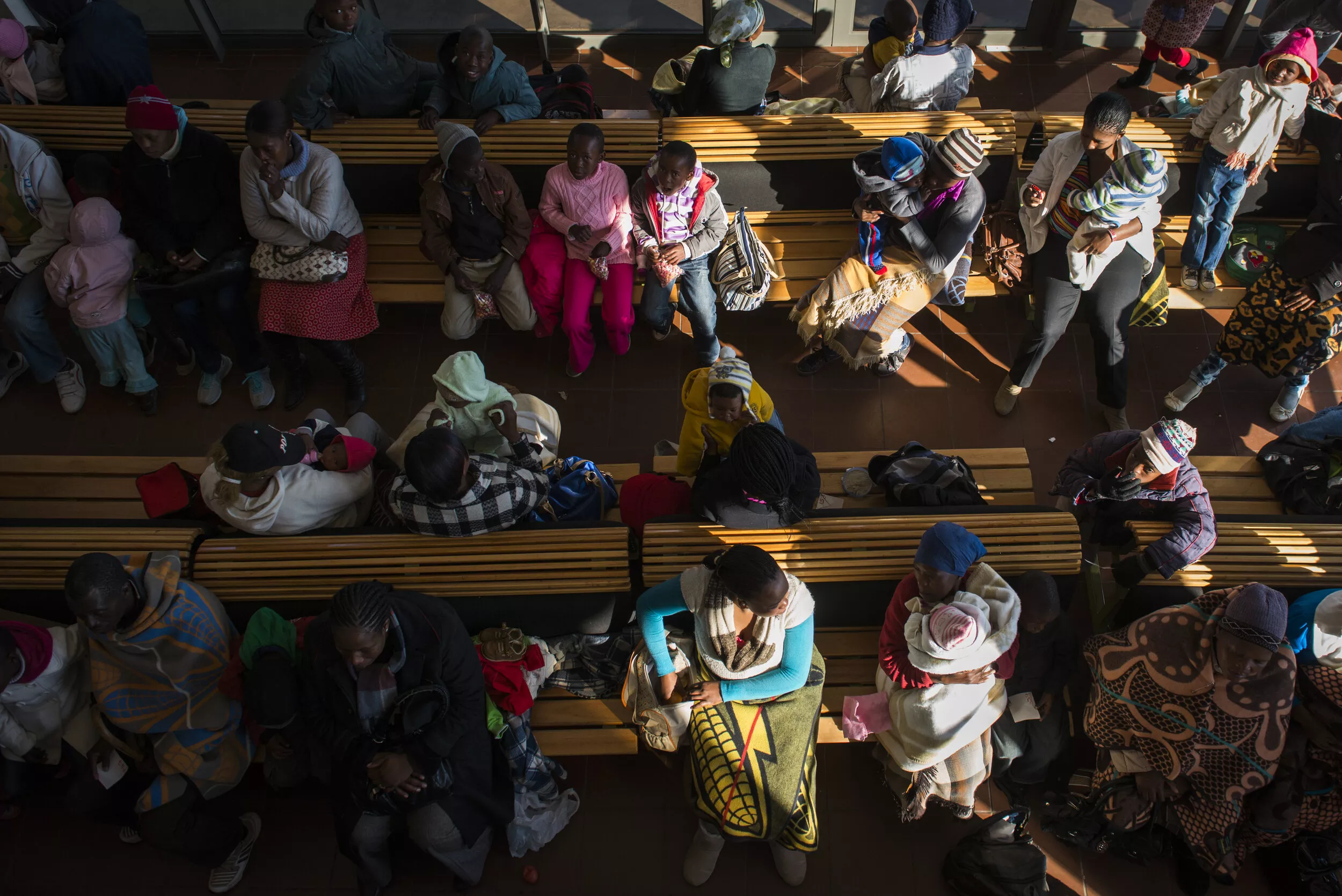
Children and adolescents in all communities, and people combatting HIV, malnutrition, and poverty are disproportionately affected by TB due to inadequate preventive services, poor diagnostic tests, large case detection gaps, limited access to TB care, treatment adherence challenges, and the existence of suffocating stigma.
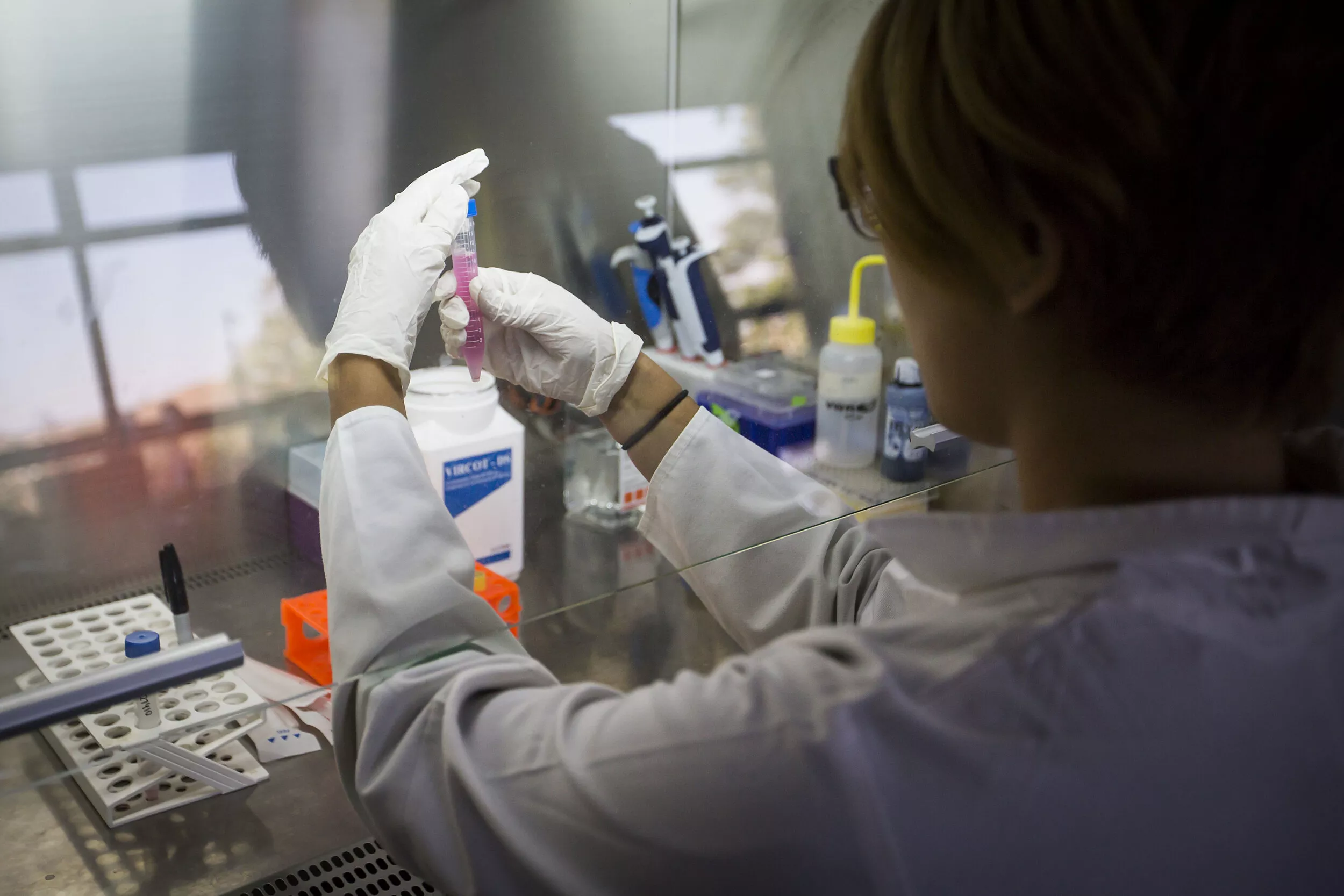
The Global TB Program embraces a collaborative approach to achieve sustainable impact.
We leverage partnerships with Texas Children's Hospital, Baylor College of Medicine, and experts at leading institutions worldwide to generate evidence that advances the care and treatment of children and families facing TB.
We collectively develop effective, sustainable, and standardized methods for diagnosing tuberculosis in children and adolescents, identify biomarkers that correlate with progression from tuberculosis infection to disease, and standardize screening processes to better characterize epidemiological risk factors for tuberculosis.
The Global TB Program partners with the World Health Organization to conduct expert reviews of child TB screening and diagnostic tools, and regularly serves as an expert on guideline development groups to inform policy regarding the care and treatment of children and adolescents with tuberculosis in all countries.

We develop novel programmatic strategies to enhance TB case finding through community outreach.
We are evaluating the most cost effective and supportive model for TB preventive therapy approaches among people living with HIV.

We are addressing challenges with obtaining child TB diagnostic specimens by improving diagnostics in easily obtained specimen types, such as stool, as well as evaluating existing approaches to diagnosing TB disease and infection in children.

We are frequently called on to report on best practices for TB treatment in children and children living with HIV.

Tuberculosis is the archetypal chronic infection that inhibits host immunity. Epigenetic-mediated immune exhaustion is one means of TB-induced long-lasting immune inhibition.

The Global TB Program has collaborated with the World Health Organization to complete expert reviews of TB screening and diagnostic tools, and to inform international policy and guidelines on childhood TB. Our team’s work has been cited in clinical guidelines and health policy in over 20 countries.

With support from the U.S. Centers for Disease Control & Prevention, U.S. Department of Defense, European & Developing Countries Clinical Trials Partnership, U.S. National Institutes of Health, StopTB, TB Reach, and Thrasher Research Fund, we have an extensive funding portfolio that has covered research and programmatic activities in nine countries around the world. Currently active collaborations include:
ESWATINI
Regional headquarters; Delivering TB clinical care, training, and education, and robust research leader – providing regional TB expertise across the TCH Global Health Network
LESOTHO, MALAWI, MOZAMBIQUE, TANZANIA & UGANDA
Partner sites conducting diagnostic research studies for pediatric and young adult clinical care advancement
PAPUA NEW GUINEA
Clinical care providers and national TB training leaders

Leadership
Anna Maria Mandalakas, MD, MSEpi, PhD
Director, Texas Children’s Global TB Program
Professor, Pediatrics, Baylor College of Medicine
Associate Vice Chair of Global Research, Department of Pediatrics, Baylor College of Medicine
Alexander Kay, MD
Associate Director, Texas Children’s and Baylor College of Medicine Global TB Program
Associate Professor, Pediatrics, Baylor College of Medicine
Andrew DiNardo, MD
Director of Translational Research, Texas Children’s and Baylor College of Medicine Global TB Program
Associate Professor, Infectious Disease, Baylor College of Medicine
Henry Welch
Assistant Professor, Pediatrics, Baylor College of Medicine
Tara Ness, MD, MPH
Assistant Professor, Pediatric Infectious Disease, Baylor College of Medicine
Debrah Vambe, MD, MPhil, MPH
Assistant Professor, Pediatrics, Baylor College of Medicine
Houston-Based Team
Crystal Cazier, MPH
Manager, Business Strategy and Development Texas Children’s and Baylor College of Medicine Global TB Program
Abigail Seeger, MS
Biostatistician, Texas Children’s and Baylor College of Medicine Global TB Program
Patricia Dorman
Senior Coordinator, Business Operations, Texas Children’s and Baylor College of Medicine Global TB Program
Maral Gurbanova
Coordinator, Research Operations, Texas Children's and Baylor College of Medicine Global TB Program
Christia McIntyre, MHA
Senior Coordinator, Business Operations, Texas Children's and Baylor College of Medicine Global TB Program
Kai Lockhart, MPAff
Senior Coordinator, Research Operations, Texas Children's and Baylor College of Medicine Global TB Program
Bridgette Naik, C.P.A., MBA
Director of Business Operations, Texas Children's Global
Amsterdam Institute for Global Health and Development
U.S. Centers for Disease Control & Prevention
U.S. Department of Defense
U.S. Department of Foreign Affairs & Trade
ExxonMobil Papua New Guinea
Barcelona Institute for Global Health (ISGlobal)
London School of Hygiene & Tropical Medicine
Manhica Health Research Centre, Radboud University
U.S. National Institutes of Health - National Institute of Allergy & Infectious Disease
Tanzania National Institute for Medical Research - Mbeya Medical Research Centre
Stop TB Partnership
Research Centre Borstel
Tulane University
Research Center Borstel - Leibniz Lung Center (FZB)
University of Ottawa
We are pleased to partner with the Ministries of Health and their relevant TB Programmes in Eswatini, Lesotho, Malawi, Papua New Guinea, Tanzania, and Uganda

We are proud to share that Dr. Anna Maria Mandalakas, M.D., MSEpi, Ph.D., Professor in the Department of Pediatrics and Director of the Global Tuberculosis Program at Baylor College of Medicine, has been selected as a recipient of the 2025 Michael E. DeBakey, M.D. Excellence in Research Award.

Building on the energy of Global TB Program staff members and nearly a decade of robust TB experience and innovation, the Centers for Disease Control and Prevention (CDC) awarded the Global TB Program a $5 million grant, effective from September 2020 through September 2026. This project, "Closing – TB GAPS – for people living with HIV: TB Guidance for Adaptable Patient-centered Services" (TB GAPS), is focused on finding and preventing TB in children and youth, while simultaneously determining the most cost-effective prevention strategy and promoting best practices to sustain the impact of our work.
Connect with Texas Children’s Global Health Network and stay informed about
our efforts to empower communities to build healthier, happier and more prosperous futures.