Selective Dorsal Rhizotomy Procedures
Treatments


Rhizotomy is a nerve surgery that permanently reduces muscle stiffness (spasticity) in children. Texas Children's offers different types of rhizotomy, each tailored to different needs and goals.
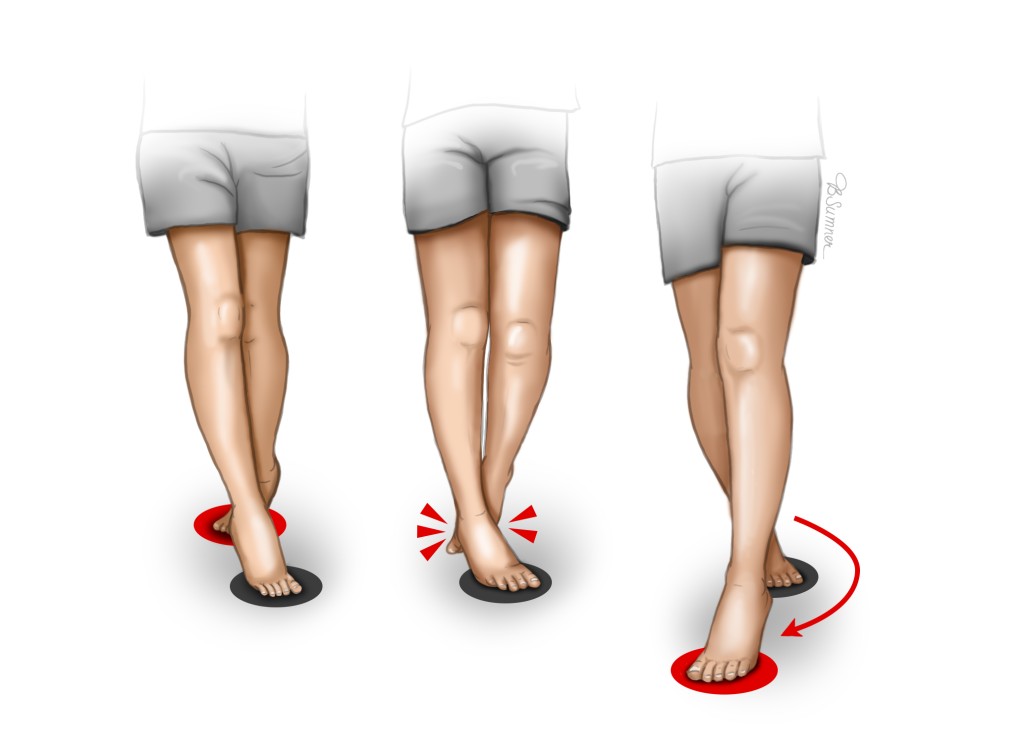
In conditions like cerebral palsy, some nerves send too many signals to the leg muscles, making them stiff and hard to control. This feedback loop is overactive: the sensory signals constantly tell the muscles to tighten. This stiffness is called spasticity.
During a selective dorsal rhizotomy (SDR), a neurosurgeon accesses specific nerves in the spinal canal and cuts the individual nerve fibers that are contributing the most to your child's spasticity. The word selective is key: the surgeon uses nerve monitoring during the operation to identify the most abnormal rootlets, cutting only those while leaving the rest intact. This permanently reduces the spasticity reflex and relaxes the affected muscles.
Key Differences in Rhizotomy Procedures | |||
|---|---|---|---|
| Focal SDR | Full SDR | Palliative Rhizotomy | |
| Overview | Minimally invasive Targets specific muscles (ankle/knee) Overnight stay Outpatient rehab | Comprehensive Reduces spasticity across both legs Inpatient rehab over weeks | Comfort-focused Improves positioning and ease of care for non-ambulatory children |
| Goal | Reduce spasticity in specific muscle groups to improve gait and mobility | Reduce spasticity throughout the legs to improve gait and mobility | Provide comfort, improve positioning, and ease daily care |
| Who qualifies | Children who require tone reduction in targeted muscles, typically at the ankle or knee | Children who walk and have high muscle tone throughout their legs | Children who do not walk or use their legs to stand or transfer |
| How it’s done | Nerve roots accessed through a minimally invasive approach; minimal bone removed | Nerve roots accessed by temporarily opening the vertebrae | Single-level access; a percentage of sensory and/or motor nerves are cut |
| Incision | ∼2 cm (about 1 inch) | Variable (larger) | 5–8 cm |
| Hospital stay | Overnight | 2–5 days, then 2–3 weeks inpatient rehab | Brief hospital stay |
| Recovery | 1–2 days; outpatient physical therapy | Months; inpatient rehab followed by outpatient therapy | No formal therapy; equipment and transfer training reassessment |
| Combined with orthopedic surgery? | Yes — often performed together | Typically separate procedures | May precede orthopedic surgery (e.g., hip reconstruction) |
Any child being considered for a rhizotomy meets with our entire multidisciplinary team. The evaluation includes a clinical exam, a review of their medical history and current therapies, and, for children who walk, a detailed assessment in our Motion Analysis and Human Performance Laboratory. 3D gait analysis provides precise, objective data on the factors affecting how your child walks and moves. This information directly guides surgical planning and helps the team determine which procedure, if any, will have the greatest impact.
Together, we discuss your child’s specific condition, the proposed treatment plan, recovery timelines and what results to realistically expect.
SDR is most commonly performed in children with cerebral palsy whose spasticity is primarily in the legs. Candidates are typically children who can walk (with or without assistive devices) but whose spasticity limits their mobility. It can also be considered for children who are not walking if the goal is to reduce pain, improve comfort or make daily care easier. Each child will go through a detailed evaluation by the full Texas Children’s care team from Neurosurgery, Rehabilitation Medicine, Physical Therapy and Orthopedics before surgery is recommended.
|
Determining Candidacy for Rhizotomy |
|
|---|---|
| Higher likelihood of meeting goals | Lower likelihood of meeting goals |
| Spasticity is the main cause of high muscle tone | Dystonia (a different type of involuntary movement) is the main cause of stiffness |
| Good underlying muscle strength | Significant muscle weakness |
| Good motor control | Poor motor control |
| Can understand and follow instructions | Difficulty understanding or following instructions |
| Can complete the rehabilitation program | Unable to participate in rehab |
Each rhizotomy procedure is described in detail below.
Focal SDR Highlights | |||
|---|---|---|---|
∼2 cm Incision | 1 night Hospital stay | 1–2 days Recovery | Outpatient Rehab program |
Texas Children’s developed this minimally invasive nerve surgery that reduces spasticity in targeted muscle groups — with a 1-inch incision, short surgery and hospital stay, and faster recovery.
Some children exhibit spasticity primarily in one area, such as the hamstrings or calf muscles. For these children, a full SDR may be more surgery than they need.
During a focal SDR, the surgeon makes a 1-inch incision and removes a tiny piece of bone and uses a small tube to access the nerve rootlets at just one or two levels (typically the nerves that supply the ankle and/or knee). The most abnormal rootlets are identified with nerve monitoring and selectively cut, leaving the rest intact.
The result is a targeted reduction of stiffness in the muscles most impactful to your child’s movement, without the larger operation and recovery that a full SDR requires.
Because the approach is minimally invasive, children typically go home in 1 to 2 days and recover with minimal discomfort. Rehabilitation is done entirely through intensive outpatient physical therapy, which means no extended hospital stay and less disruption to school and family life.
Focal SDR has broadened access to rhizotomy for a wider range of patients – including children with diverse causes of spasticity (not only classic spastic diplegia from prematurity), older children and young adults, and patients across a range of cognitive abilities.
Focal SDR can also be performed at the same time as orthopedic surgery if needed, so your child has one anesthesia, one recovery, and both the nerve-level stiffness and any structural deformity are addressed together.
Learn more: members of our Texas Children’s team published a study showing significant improvements in both spasticity and overall walking mechanics in their peer-reviewed article Focal selective dorsal rhizotomy and concurrent deformity correction: a combined approach.
Full SDR Highlights | |||
|---|---|---|---|
Variable Incision size | 2–5 days Hospital stay | 2–3 wks Inpatient rehab | Months Full recovery |
Children who can walk (or have the potential to walk) and have high muscle tone distributed throughout their legs are candidates for a full selective dorsal rhizotomy that provides comprehensive spasticity reduction in these areas. The best outcomes tend to occur when spasticity is the primary cause of stiffness, the child has good underlying strength and motor control, and the child can understand and participate in the rehabilitation program.
SDR permanently reduces spasticity in the legs via cutting selected sensory nerve rootlets in the lower spine that are driving the abnormal muscle tightness. During surgery, the neurosurgeon exposes the nerve roots and stimulates each rootlet individually while monitoring the muscle response with electrophysiology. Rootlets that produce abnormal, sustained responses are cut. Rootlets with normal responses are left alone. This selective process preserves sensation and voluntary movement while reducing spasticity.
SDR is most commonly performed in children with spastic diplegic cerebral palsy (spasticity primarily in the legs). It is often considered for children who can walk with or without assistive devices, but whose spasticity limits their mobility, causes pain, or interferes with daily care. Some non-ambulatory children also benefit, particularly when the goal is to improve comfort and ease of caregiving.
After recovering for a few days in the hospital, patients are transferred to Texas Children’s Inpatient Rehabilitation Unit (IRU) for 2 to 3 weeks of intensive strengthening and gait training. The IRU is the only Commission on Accreditation of Rehabilitation Facilities (CARF)-accredited pediatric rehabilitation program in Texas, with a team trained specifically in post-surgical recovery for children with spasticity.
Outpatient therapy continues after discharge. In the right candidates, full SDR can lead to meaningful gains in walking independence and daily function over 6 to 12 months.
Palliative Rhizotomy Highlights | |||
|---|---|---|---|
5–8 cm Incision | Short Hospital stay | None Formal therapy needed | Equipment Reassessment after |
Children with severe muscle tone that affects comfort, positioning, daily care, and physical movement are the best candidates for palliative rhizotomy, which is designed to improve comfort, positioning and ease of caregiving.
Unlike selective dorsal rhizotomy, which targets sensory nerve rootlets to improve function, palliative rhizotomy may involve cutting both sensory and motor nerve roots at a single spinal level. This reduces involuntary muscle stiffness caused by spasticity, dystonia, or both, making the child more comfortable and easier to position and care for.
Palliative rhizotomy may also be performed before orthopedic surgery. For example, in children with hip dislocations caused by severe muscle tone, reducing tone first can improve the success and durability of hip reconstruction.
After surgery, your child’s seating, bracing, and equipment needs will be reassessed, and the care team will work with your family on transfer training.Additional Information
Yes, the goals of the two procedures are complementary: reducing tone and correcting the structural problems that tone has caused over time. Our team will determine whether combined surgery is appropriate.
Performing both procedures together means one anesthetic event, one surgery and one recovery period.
Rhizotomy is a permanent, durable tone-reducing procedure. Unlike botulinum toxin injections (which wear off after about 3 months) or phenol blocks (which last 5 to 6 months), the nerve rootlets that are cut during rhizotomy do not grow back. The tone reduction does not need to be repeated.
Long-term studies have shown that the reduction in spasticity holds across many years. Your child's overall function will continue to evolve as they grow, and they may still benefit from ongoing therapy, bracing, or other interventions over time.
