Virtual genomics program uncovers genetic causes of hearing loss in children along the Texas–Mexico border
Research


For many children born with hearing loss, identifying the underlying genetic cause can help guide treatment decisions, inform prognosis, and connect families with solutions. Yet, access to specialized genetic testing remains limited in many medically underserved communities.
A new study led by investigators from Texas Children's Research Institute (TCRI) at Texas Children’s Hospital and Baylor College of Medicine demonstrates that these barriers can be overcome through innovative virtual care models. Published in Clinical Genetics, the study revealed that comprehensive genome sequencing identified the genetic cause of hearing loss in nearly 70% of children evaluated through a program serving families along the Texas–Mexico border.
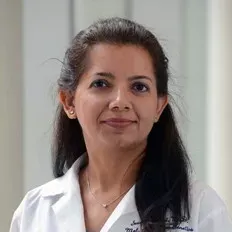
Led by TCRI faculty member and professor in the Department of Molecular and Human Genetics at Baylor, Dr. Seema Lalani and genetic counselor Blake Vuocolo, the research focused on participants enrolled in Project GIVE (Genetic Inclusion by Virtual Evaluation), an NIH-funded initiative designed to expand access to genetic services for children with suspected rare diseases living in the Rio Grande Valley and El Paso regions of Texas. Through a virtual referral and evaluation system, families can receive expert genetics consultations and advanced genomic testing without traveling long distances to major medical centers.
The study examined 23 Hispanic/Latino children with hearing loss, all of whom reported Mexican ancestry.
Using comprehensive genome sequencing, investigators achieved a molecular diagnosis in 16 of the 23 children, a diagnostic yield of approximately 70%. Obtaining this genetic diagnosis was not merely informative. More than half of the children who received a diagnosis underwent changes to their medical management, demonstrating the direct clinical value of genomic testing.
Genetic diagnoses can influence decisions regarding hearing management, guide screening for associated medical conditions and help families better understand recurrence risks. They may also become increasingly important as new gene-targeted therapies for hereditary hearing loss continue to emerge.
The study highlights a key challenge in pediatric medicine; many children face delays in diagnosis not because their conditions are harder to identify, but because access to specialized care is limited. Communities along the U.S.–Mexico border are particularly affected by shortages of clinical genetics services and geographic barriers to care.
By combining virtual genetics consultations with genome sequencing, Project GIVE demonstrates a scalable approach for closing these gaps. The findings suggest that children in underserved communities can achieve diagnostic outcomes comparable to, or even better than, those reported at major academic medical centers when barriers to testing and evaluation are removed.
Beyond hearing loss, the success of the program underscores the broader potential of initiatives to improve access to medicine for families affected by rare diseases. As genomic technologies become an increasingly important part of pediatric care, innovative delivery models may help ensure that advances in diagnosis and treatment benefit children regardless of where they live.
The study provides encouraging evidence that expanding access to comprehensive genetic testing can accelerate diagnosis, inform care, and help reduce healthcare disparities for children with hereditary hearing loss in underserved regions.
###
Contributors to this work include Desiree Lanehart, Michelle Gray, Roberta Sierra, Camille Maldonado, Daniel Brooks, Hongzheng Dai, Aaly Rahimtoola, Sandy Magallan, Sarah Rodriguez, Jose Gamez, Pattie Rosenlund, Surya N. Mulukutla, Alberto Allegre, Lori Berry, Brendan Lee, Daryl A. Scott, Blake Vuocolo, and Seema R. Lalani. The authors are affiliated with one or more of the following institutions: Texas Children’s Hospital, Baylor College of Medicine, University of Texas Rio Grande Valley, University of Texas at Dallas, DHR Health, Driscoll Children's Hospital, and Easterseals Rio Grande Valley. This study was supported by National Institutes of Health Sub-Organization National Center for Advancing Translational Sciences