
min. read
What is Cerebral Palsy?
Cerebral palsy (CP) is a group of motor disorders that appear in infancy or early childhood. It affects muscle tone, posture and movement. The underlying brain injury does not get worse over time, but the way it affects the body can change as a child grows.
CP varies widely in severity. Some children have mild coordination or strength difficulties. Others have significant limitations in independent mobility. About 2 to 3 children out of every 1,000 have cerebral palsy.
What causes Cerebral Palsy?
Cerebral palsy results from abnormal brain development or damage to the developing brain. This can happen before birth, during delivery, or in the first few years of life. There are many possible causes. In some cases, no specific cause is identified, though risk factors may be present.
Known risk factors and causes include:
- Premature birth (before 37 weeks) or low birth weight
- Infections during pregnancy (such as rubella, cytomegalovirus, or chorioamnionitis)
- Lack of oxygen to the brain during labor or delivery
- Bleeding in the brain (intraventricular hemorrhage), particularly in premature infants
- Stroke before or shortly after birth
- Head injury or infection (such as meningitis) in early childhood
- Genetic factors that affect brain development
In many cases, no single cause is identified. A child may have one or more risk factors without a clear explanation for why CP developed.
Can Cerebral Palsy be cured?
CP cannot be cured. But with treatment, children can overcome developmental challenges, learn new skills and improve their quality of life. Treatment may include therapy, tone management, assistive devices, specialized equipment and surgery. See our Cerebral Palsy Clinic for Texas Children’s individualized cerebral palsy procedures and treatment options.
What are the signs of Cerebral Palsy?
Signs of CP usually appear in the first 1 to 2 years of life, though milder forms may not be recognized until later. What parents and doctors notice depends on the type and severity of CP.
Common early signs include:
- Delayed motor milestones (not rolling, sitting, crawling, or walking on the expected timeline)
- Unusual stiffness or floppiness in the arms or legs
- Favoring one side of the body (e.g., using one hand much more than the other before age 1)
- Difficulty with feeding or swallowing in infancy
- Abnormal posture or movement patterns
As the child grows, signs may also include:
- Walking on toes or with a scissoring gait (legs crossing)
- Difficulty with fine motor tasks like writing, buttoning clothing or using utensils
- Involuntary movements or difficulty holding still
- Speech and communication difficulties
- Seizures (in some children)
CP affects each child differently. Some children have very mild symptoms that only affect one limb. Others have significant involvement of all four limbs, trunk and oral motor function.
What is orthopedic deformity in Cerebral Palsy?
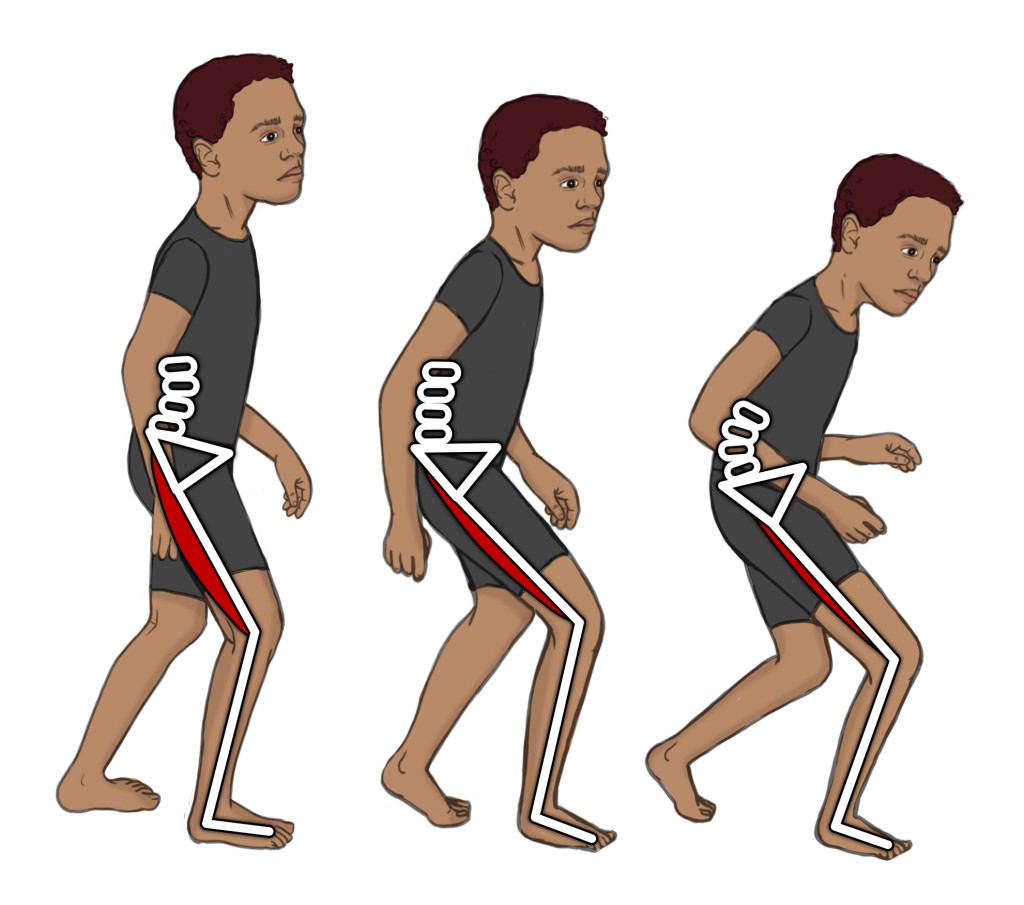
Children with CP often develop bone and joint problems over time. Abnormal muscle tone pulls unevenly on growing bones. Over months and years, this can lead to contractures (muscles and tendons that shorten permanently), bone malalignment, hip displacement and scoliosis (curvature of the spine).
These problems tend to progress during growth spurts. A child who walks independently at age 5 may develop tighter muscles, crouch gait or hip pain by age 10 if the musculoskeletal consequences of tone aren't managed. Regular monitoring by orthopedics and rehabilitation medicine is important for catching these changes early.
How is Cerebral Palsy diagnosed?
Because medical science doesn’t have one single test for CP, diagnosis is based on a combination of clinical observation, developmental history and neuroimaging. A doctor will assess your child's muscle tone, reflexes, posture, coordination and motor development. Standardized testing tools can help identify motor abnormalities early.
Brain MRI is often used to look for structural changes that explain the motor findings. In many children with CP, the MRI shows areas of injury or abnormal development. In some cases, the MRI is normal and the diagnosis is based on the clinical picture alone.
Additional testing may include genetic testing (to rule out other conditions that can mimic CP), EEG (if seizures are a concern) and metabolic screening. The goal is to confirm the diagnosis, identify any associated condition and start treatment as early as possible.
Patients can be seen by Texas Children's experts in Neurology, Inpatient Rehabilitation, Physical Medicine and Rehabilitation and Orthopedics.
Treatment and Care
Physical and Occupational Therapy is provided after surgery or to meet a specific goal. The most important part of any therapy program is the daily stretching exercises that the physical or occupational therapists have set up for the child.
Orthotics (braces) are used to help muscle growth keep up with bone growth, prevent foot and knee damage, help support weak muscles and protect the muscles after surgery.
Serial Casting is used to help stretch the muscles that have become so tight that exercise and bracing do not help. When the muscle is stretched enough, the cast is removed and your child must wear the brace.
Botulinum toxin A Injection (Botox®) can be used to cause temporary weakness of the muscle so that other treatments can be used.
Orthopedic Surgery will be considered by the doctor as your child grows.
Living and Managing
Before age 3, it is hard to know how well your child will do in the future. Children with fewer limbs affected will generally do better than those with more involvement.
- Hemiplegia means one side of the child’s body is fully or partially paralyzed. A child with hemiplegia will usually be able to walk alone.
- Diplegia results in symmetrical weakness or paralysis on both sides of the body, most commonly affecting both legs more often than the arms. A child with diplegia may walk alone or may need crutches/walker.
- A child with quadriplegia – full or partial paralysis of all four limbs and the torso – will usually use a wheelchair.
23556
Conditions
article