Texas Children's Researchers Publish Groundbreaking Paper on Childhood Brain Tumors
Awards


Researchers at Texas Children’s Hospital and The Hospital for Sick Children (SickKids) have identified the potassium channel gene KCNB2 as a promising therapeutic target for medulloblastoma, the most common malignant brain tumor in children. The discovery—published in Developmental Cell—demonstrates that inhibiting KCNB2 can significantly slow tumor growth and may pave the way for next‑generation, more targeted treatments for pediatric brain cancer.
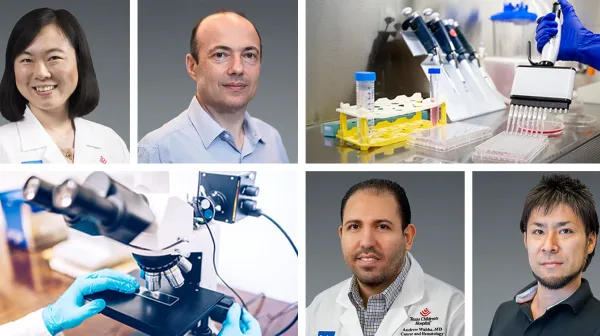
Led by Drs. Michael Taylor and Xi Huang, the research teams used a genetically engineered preclinical model to screen for genes critical to tumor maintenance. Their work revealed that blocking KCNB2 disrupts tumor‑propagating cells while sparing healthy tissue, highlighting the gene’s specific role in supporting tumor proliferation.
According to the study, targeting KCNB2 interferes with potassium channel function essential for medulloblastoma cell growth. This selective vulnerability positions KCNB2 as a strong candidate for therapeutic development and complements existing treatments by potentially preventing recurrence driven by resilient tumor‑propagating cells.
The project received support from multiple organizations, including the SickKids Industry Partnerships & Commercialization Office, the Sontag Foundation, the Ontario Early Researcher Award program, the Canadian Cancer Society, the Cancer Research Society, NSERC, the American Brain Tumor Association, and numerous other partners.
Learn more about Dr. Taylor's research program: https://www.texaschildrens.org/taylor-lab