Image



In 2010, with the support of visionary philanthropists and Texas Children’s, world-renowned neurogeneticist Dr. Huda Zoghbi founded the Duncan Neurological Research Institute (Duncan NRI) with a bold mission: to identify the causes of and discover treatments for devastating brain disorders impacting over one billion people worldwide.
In 15 years, the Duncan NRI grew from eight labs studying pediatric neurological disorders to 43 labs investigating a full spectrum of neurodevelopmental, neurodegenerative, and neuropsychiatric diseases affecting children and adults. Our scientists discovered the causes for nearly 100 rare conditions and translated seven new treatment strategies into clinical trials, making us the leading destination for solving “unsolvable” brain diseases and bringing new hope to patients and their families.
To celebrate 15 years of impact, we’re sharing 15 highlights — which represent only a fraction of what you’ve helped us accomplish.
Groundbreaking research led to the FDA approval of everolimus — an innovative treatment for a severe form of childhood epilepsy, bringing relief and new possibilities to millions of patients worldwide.
Duncan NRI work has led to multiple clinical trials, advancing treatments for both neurodevelopmental and neurodegenerative disorders – including Batten disease, a rare childhood condition that affects roughly 14,000 children globally, including a special girl named Christiane Benson.
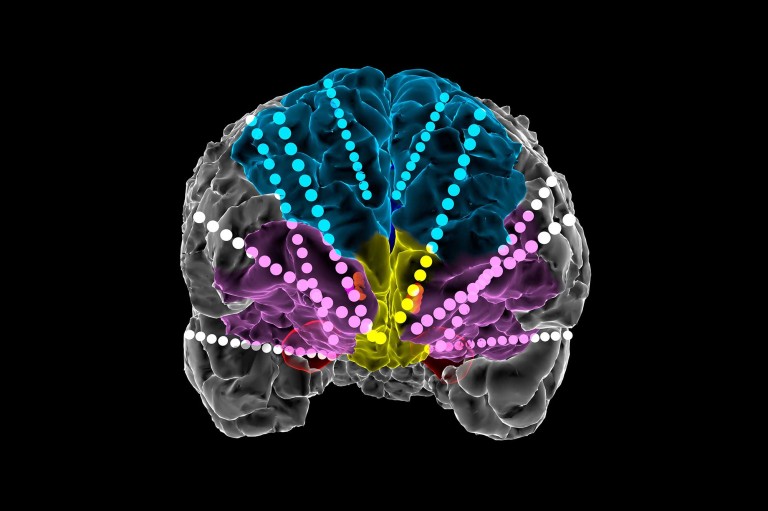
Our researchers are pioneering the use of deep brain stimulation to treat complex psychiatric conditions, such as obsessive-compulsive disorder and treatment-resistant depression, conditions affecting learning and memory, and movement disorders.
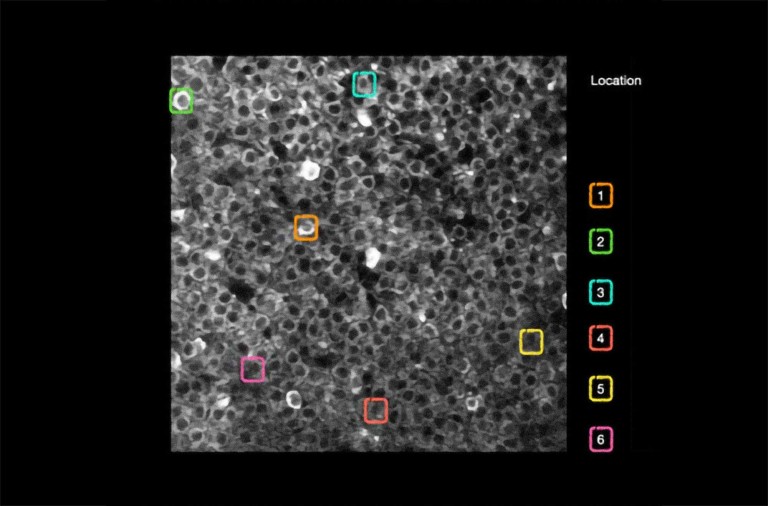
We used the fruit fly as the foundation to create the Model Organism Screening Center — the premiere screening center in the world — and have identified nearly 100 genetic mutations linked to rare neurological diseases through the Undiagnosed Disease Network. One such mutation causes the rare disease Mitchell Syndrome — named after the beloved late Mitchell Herndon.
We developed an AI-based tool, AI-MARRVEL, that helps people around the world analyze their DNA sequencing data to identify disease-causing mutations with greater precision in conditions such as autism.
We’ve developed multiple models that replicate neurological diseases, including the most accurate Parkinson’s disease model to date — accelerating discovery and therapeutic testing.
The discovery of the role of lipid droplets (small fat storage units in a cell crucial to energy storage) in neurodegeneration has reshaped the scientific community’s understanding of neurodegenerative diseases like Alzheimer’s and Parkinson’s.
Our scientists have conducted large-scale genetic screens, testing how every gene in the genome interacts with disease genes to uncover new treatment strategies for disorders such as Rett syndrome, Alzheimer’s, Parkinson’s, and Multiple Sclerosis.
Our researchers uncovered the role of a specific brain region in regulating eating and addiction behaviors, opening the door for new therapeutic avenues for eating disorders and substance use.
Using advanced imaging techniques, we developed a method to reveal how the brain forms and strengthens complex memories and learns detailed aspects of its environment — previously unknown insights that will help identify therapeutic targets for memory-related disorders.
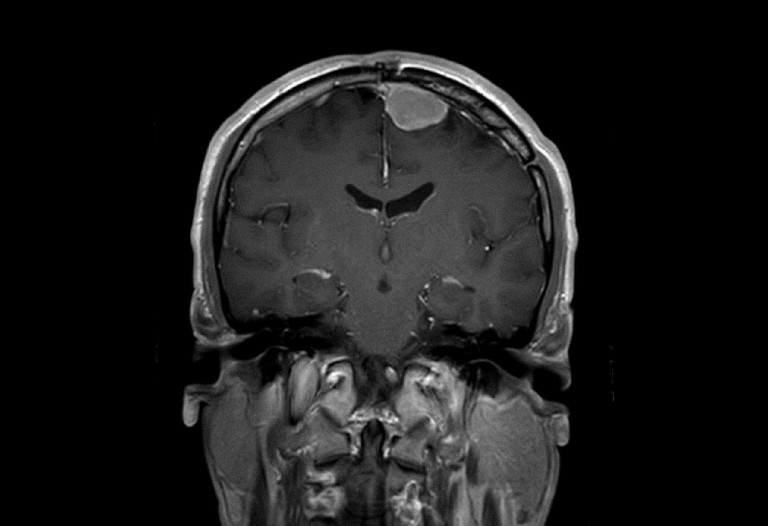
Our researchers developed a new system to classify the most common type of brain tumor, offering more accurate prognoses through non-invasive imaging.
We launched The Texome Project, offering free genetic sequencing and counseling available to patients across Texas who otherwise could not access it.
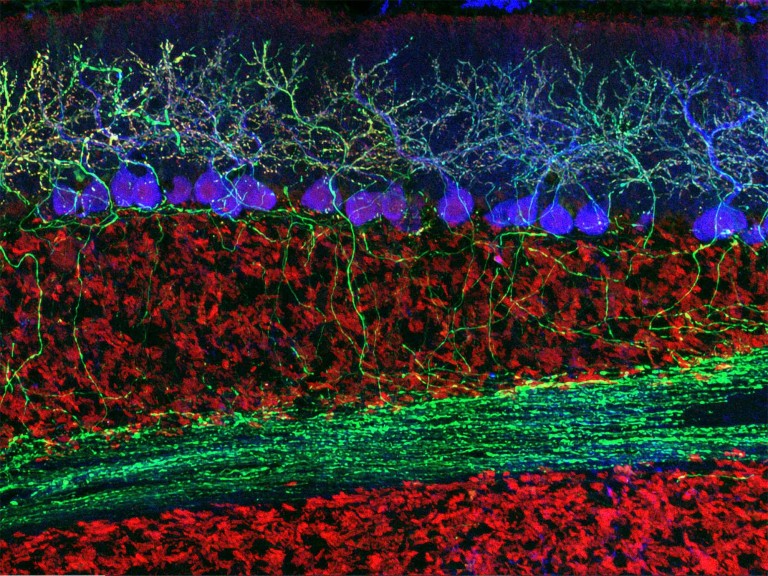
We’ve uncovered how the cerebellum (the brain region responsible for movement) is the “computational hub” of the brain, with distinct patterns of brain activity linked to not only to movement disorders such as dystonia and ataxia but also sleep disturbances and seizures.
Research at the Duncan NRI has focused on improving the lives of children with epilepsy, leading to the discovery of dozens of genes involved in epilepsy, as well as new treatment strategies.
We discovered that a fatty acid, that is highly enriched in olive oil, triggers cells in the hippocampus (the brain region critical for learning and memory) to create new neurons and form, strengthen, and preserve memories.
While our team at the Duncan NRI has made unprecedented progress in 15 years, the next 15 carry extraordinary possibility. Already, our team is moving quickly to scale our approach, solve many more diseases — from autism and epilepsy to Alzheimer’s and Parkinson’s — and translate our robust pipeline of discoveries into innovative therapeutic strategies.
Join us in celebrating these discoveries, our world-class team of scientists, and the people who have supported us every step of the way. Help us “solve the unsolvable” at scale in our next era of translational research, bringing effective, targeted treatments to the patients and families who need them most.
Read more about major breakthroughs you’ve made possible in the Duncan NRI’s Impact Reports.